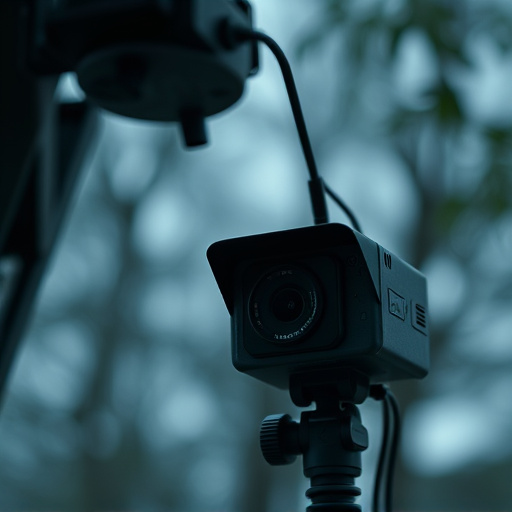
Electromagnetic signals, especially RF (radio frequency) transmissions and infrared light, are key to detecting hidden cameras that record audio. Specialized equipment can intercept these signals, revealing covert surveillance devices in homes, offices, and public spaces. RF detectors, thermal imaging, and digital forensics combine to uncover such cameras, enhancing security against covert listening devices through thorough inspections and understanding of electromagnetic signatures.
Uncover the insidious world of hidden cameras that record audio with our comprehensive guide on surveillance device electromagnetic signal detection. Learn how to identify and locate these covert threats using advanced techniques like understanding electromagnetic signals, recognizing common emissions, and employing specialized RF (Radio Frequency) detectors. Explore thermal imaging, digital forensics, and practical tips to protect against signal interference, ensuring your privacy in today’s vigilant world.
- Understanding Electromagnetic Signals and Their Role in Detection
- Identifying Common Surveillance Device Emissions
- Utilizing RF (Radio Frequency) Detectors for Audio-Focused Scans
- Advanced Techniques: Thermal Imaging and Digital Forensics
- Practical Tips for Locating Hidden Cameras and Preventing Signal Interference
Understanding Electromagnetic Signals and Their Role in Detection
Electromagnetic signals are an invisible yet powerful tool in surveillance device detection, especially when it comes to uncovering hidden cameras that record audio. These signals, generated by electronic equipment, travel through various mediums like wires and even the air itself. By understanding the unique signatures of these signals, experts can detect hidden devices like never-before-seen spy cameras, which often emit electromagnetic radiation as they capture and transmit audio data.
In the quest to uncover such clandestine devices, it’s crucial to know that different types of surveillance equipment emit distinct signal patterns. For instance, audio-focused hidden cameras use specific frequencies for recording and transmission, making them detectable with specialized equipment designed to intercept these electromagnetic signals. This knowledge is invaluable when tips on detection are sought, as it enables professionals to employ precise techniques tailored to the technology being used by potential spies or intruders.
Identifying Common Surveillance Device Emissions
Surveillance devices, including hidden cameras that record audio, emit distinct electromagnetic signals that can be detected with the right equipment and expertise. Understanding these emissions is crucial for identifying potential hidden camera setups in homes, offices, or public spaces. One of the key signatures to look out for is radio frequency (RF) transmissions, which many surveillance devices use to transmit video and audio data wirelessly. These RF signals often operate on specific frequencies, allowing specialists to pinpoint their sources using specialized receivers.
Additionally, infrared (IR) emissions are common among hidden cameras, especially those designed for night-time recording. IR light is invisible to the human eye but can be detected by sensitive sensors or thermal imaging devices. By analyzing these IR patterns, investigators can uncover covert surveillance equipment that may be operating discreetly in a given area.
Utilizing RF (Radio Frequency) Detectors for Audio-Focused Scans
When it comes to detecting hidden cameras that record audio, RF (Radio Frequency) detectors are a valuable tool for focused scans. These devices operate by picking up electromagnetic signals emitted by various electronic devices, including surveillance equipment. By tuning into specific frequency ranges, RF detectors can identify hidden microphones or audio recording devices that may be concealed in environments such as offices, homes, or public spaces. This method is particularly effective for audio-focused searches, allowing professionals to pinpoint the exact location of covert listening devices without any visual cues.
RF detectors are adept at detecting a wide range of frequencies, making them versatile tools for security professionals. They can uncover hidden cameras that transmit data wirelessly, ensuring comprehensive coverage during inspections. The use of RF technology enables precise targeting of potential audio surveillance equipment, enhancing the efficiency of search operations and providing peace of mind in high-risk situations.
Advanced Techniques: Thermal Imaging and Digital Forensics
In the quest to uncover hidden cameras that record audio, advanced techniques like thermal imaging offer a unique advantage. Thermal sensors detect heat signatures, allowing professionals to identify devices even if they’re not broadcasting visible light signals. This is particularly useful in covert surveillance situations where traditional visual cues might be absent. By mapping temperature variations, experts can pinpoint the location of hidden cameras, including those designed to remain invisible to the naked eye.
Digital forensics plays a crucial role in enhancing these findings. Through signal analysis and data recovery methods, investigators can extract valuable information from electronic devices. This includes examining metadata, audio files, and network communications to build a comprehensive picture of surveillance activities. By combining thermal imaging with digital forensics, professionals can uncover the presence and behavior of hidden cameras that record audio, ensuring better protection against covert listening devices.
Practical Tips for Locating Hidden Cameras and Preventing Signal Interference
When it comes to locating hidden cameras, especially those that record audio, a keen eye for detail and an understanding of electromagnetic signals are crucial. Start by conducting a visual inspection of the area—look for any unusual objects or devices that don’t seem to belong. Check corners, behind furniture, and under surfaces for small, discreet cameras. Remember that modern hidden cameras can be incredibly tiny and well-disguised.
To prevent signal interference, which could disrupt your detection efforts, keep electromagnetic interference (EMI) in mind. Ensure the equipment you’re using for detection is shielded properly to avoid false readings. Use shielded cables and avoid stacking or placing metallic objects near your detection devices. Additionally, be mindful of other electronic devices nearby; turn them off if possible to minimize potential interference during your search for hidden cameras that record audio.
In conclusion, detecting surveillance devices, particularly those that record audio through hidden cameras, requires a multi-faceted approach. Understanding electromagnetic signals and their role, identifying common emissions, utilizing specialized equipment like RF detectors, and employing advanced techniques such as thermal imaging and digital forensics are key steps in locating these devices. By combining practical tips for signal interference prevention with the right tools, individuals can effectively protect their privacy and security from hidden audio recording devices.