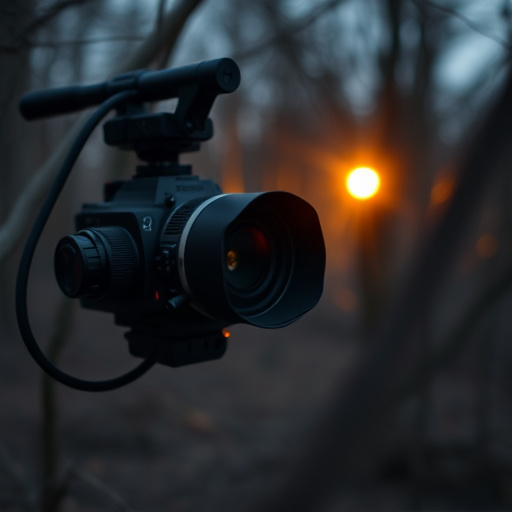
Detecting hidden cameras that record audio involves a blend of technology and physical inspection. Tools like RFID tags, wireless scanners, and noise detectors aid in finding these devices. Meticulous scrutiny of environments, objects, and spaces for irregularities is crucial. Staying informed on surveillance tech and laws ensures ethical practices to safeguard privacy and security against unauthorized audio recording.
Wireless surveillance equipment, including hidden cameras that record audio, has become a growing concern in today's digital age. This article guides you through essential tips for detecting and locating these devices. From identifying unusual sounds and visual cues to understanding legal considerations, we equip you with knowledge to protect your privacy. Learn how to uncover disguised camera positions and prevent the use of spy gear.
- Detecting Audio-Recording Hidden Cameras
- Locating Wireless Surveillance Devices
- Uncovering Disguised Camera Positions
- Preventing and Identifying Spy Gear
- Understanding Legal Considerations for Detection
Detecting Audio-Recording Hidden Cameras
Hidden cameras that record audio can be difficult to detect, but there are several methods to uncover these devices. One effective approach is to use specialized audio detectors or noise-canceling headphones. These tools can pick up on irregular sounds and frequencies that might indicate a hidden microphone. By scanning areas with these devices, you can identify potential audio-recording hidden cameras in places like offices, homes, or public spaces.
Another technique involves analyzing the environment for unusual noises or subtle signs. For instance, if you notice persistent background noise that seems out of place or a sudden quietness in an otherwise bustling area, it could suggest the presence of an audio-recording device. Examining walls, ceilings, and other potential hiding spots for any small openings, wires, or unusual markings can also provide clues to the location of these hidden cameras.
Locating Wireless Surveillance Devices
Locating wireless surveillance equipment, especially hidden cameras that record audio, requires a meticulous and strategic approach due to their discreet nature. One effective method is to use specialized RFID (Radio-Frequency Identification) tags or receivers. These devices emit signals that can be detected by compatible equipment when within range, helping to pinpoint the camera's location. Additionally, wireless network scanners can identify unusual activity or devices on a network, potentially uncovering hidden cameras disguised as everyday electronics.
Visual and audio cues can also assist in detection. Regularly inspect areas for any signs of unauthorized cameras, such as small holes where cables might pass through or unusual markings. Listen for faint humming sounds, which could indicate the presence of audio recording devices. Furthermore, staying updated with the latest surveillance technology and employing counter-surveillance measures can significantly reduce the risk of falling victim to hidden cameras that record audio.
Uncovering Disguised Camera Positions
Uncovering hidden camera positions, especially those disguised as everyday objects, requires a keen eye and the right tools. One such device that can aid in this process is a specialized audio detector. Since many hidden cameras come equipped with recording capabilities, detecting their presence may involve searching for unusual sounds or noises that could indicate an active microphone. These audio detectors are designed to pick up on faint signals, helping users locate hidden cameras that might be capturing audio without their knowledge.
In addition to technical tools, physical inspection is a vital method. Examining spaces and objects closely can reveal suspicious hardware or peculiar installations. Look for signs of tampering, unusual markings, or devices that don't seem to fit the environment they're in. Remember, hidden cameras aimed at recording audio may be part of a larger surveillance setup, so keeping an eye out for multiple potential camera locations is essential.
Preventing and Identifying Spy Gear
Preventing and identifying hidden cameras, especially those that record audio, is a crucial aspect of enhancing privacy and security. One of the first steps to take is to be aware of potential locations where spy gear might be concealed. This includes areas with limited visibility or spaces that offer easy access for installation but are often overlooked, such as ceiling corners, wall cracks, door handles, and even everyday objects like smoke detectors or clock radios. Regularly inspecting these spots can help in early detection.
Additionally, staying vigilant about unusual behavior or recent changes in your surroundings is key. For instance, if you notice a new, unfamiliar device near windows or doors or any unexpected activity involving electronics, it could be an indication of hidden cameras or microphones. Utilizing specialized tools designed to detect wireless signals can also assist in identifying devices transmitting audio secretly. These measures empower individuals to safeguard their personal spaces and protect against the unauthorized use of hidden cameras that record audio.
Understanding Legal Considerations for Detection
When employing wireless surveillance equipment, such as hidden cameras that record audio, it's crucial to navigate a complex web of legal considerations. Different jurisdictions have distinct rules regarding privacy laws and the use of such devices. Before setting up any surveillance system, individuals should familiarize themselves with local legislation to avoid potential legal pitfalls. For instance, some regions require explicit consent from all parties being recorded, while others have restrictions on the placement of hidden cameras.
Understanding these legal frameworks is essential to ensure ethical and compliant surveillance practices. Unauthorized use or misuse of hidden cameras that record audio can lead to severe consequences, including civil lawsuits and criminal charges. Therefore, it's advisable to consult with legal professionals or experts in privacy law to ensure that any surveillance equipment deployment adheres to the necessary regulations.
Wireless surveillance equipment, including hidden cameras that record audio, can pose significant privacy risks. By understanding detection tips such as locating devices, uncovering disguised positions, and knowing legal considerations, you can better protect yourself and others from unwanted surveillance. Staying informed about these practices empowers you to take proactive measures against potential threats, ensuring a safer digital environment.