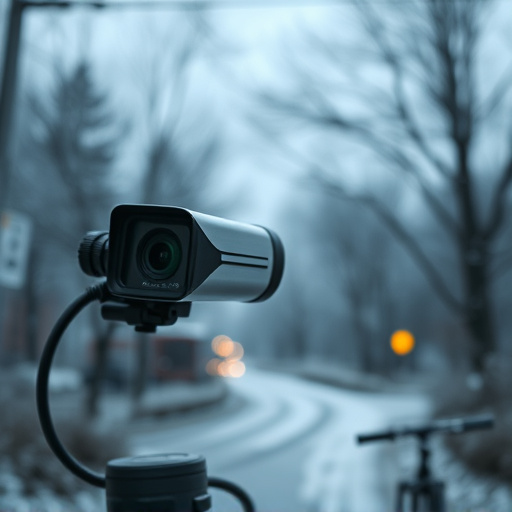
Surveillance devices, especially hidden cameras recording audio, navigate a legal and ethical maze with regional laws on consent, privacy, and data protection. Placing them without permission is often illegal, especially in private areas. Ethical considerations balance security benefits against individual freedoms. To ensure safety and privacy, residents should visually inspect their properties using advanced techniques, update home security systems, use noise-canceling devices, deploy privacy window treatments, educate themselves on local surveillance laws, and install remote-monitored security cameras.
"Surveillance device sweeps are becoming an essential tool for homeowners seeking to safeguard their privacy. This comprehensive guide delves into the world of hidden cameras that record audio, exploring both legal and ethical considerations crucial for understanding this evolving landscape. Learn effective strategies to detect and counter these devices, ensuring your home remains a private sanctuary. Discover practical steps to protect your personal space from intrusions, empowering you with knowledge in today's digital era."
- Understanding the Legalities and Ethical Considerations of Surveillance Devices
- Identifying and Detecting Hidden Cameras That Record Audio
- Implementing Effective Countermeasures to Protect Your Privacy at Home
Understanding the Legalities and Ethical Considerations of Surveillance Devices
Surveillance devices, including hidden cameras that record audio, operate within a complex legal and ethical framework. It's crucial to understand both before installing any such equipment on residential property. Laws regarding surveillance vary significantly by region, with strict regulations around consent, privacy, and data protection. In many areas, it's illegal to place hidden cameras without explicit permission from all parties involved, especially in common areas or private spaces where individuals reasonably expect privacy.
Ethical considerations further complicate the matter. While surveillance can offer enhanced security, it raises serious concerns about individual freedoms and privacy rights. Hidden cameras that record audio can capture intimate conversations and sensitive information, posing potential risks of misuse or malicious intent. As such, it's essential to balance the benefits of surveillance with the paramount importance of respecting personal privacy and maintaining a safe, consensual environment in residential settings.
Identifying and Detecting Hidden Cameras That Record Audio
Identifying hidden cameras that record audio is a critical step in conducting a comprehensive surveillance device sweep. These covert listening devices can be disguised as everyday objects, such as light bulbs, smoke detectors, or even fake rocks, making them hard to detect visually. To uncover these audio spies, start by performing a visual inspection, checking for any unusual hardware or connections. Use your phone's flashlight and zoom function to scrutinize tight spaces and hard-to-reach areas where cameras might be hidden.
Advanced techniques include using specialized equipment like thermal imaging cameras or long-range night vision devices to detect heat signatures or subtle light patterns that indicate the presence of active recording devices. Additionally, listening devices can emit faint sounds when powered on, so playing a recorded audio clip at different volumes and frequencies may trigger an audible response from hidden microphones. Remember, thoroughness is key; check all potential hiding spots, including walls, ceilings, and floorboards, to ensure no audio-recording surveillance equipment remains undiscovered.
Implementing Effective Countermeasures to Protect Your Privacy at Home
Implementing effective countermeasures to protect your privacy at home is crucial, especially with the prevalence of hidden cameras that record audio. Start by conducting a thorough sweep of your property, identifying potential locations where such devices could be installed. Look beyond obvious spots like windows and doors; these days, tiny cameras can be concealed in everyday objects like plants, light fixtures, or even smoke detectors. Regularly updating your home security system is another strategic move—consider investing in advanced technology that detects and alerts you to any unusual activity.
Additional layers of protection include using privacy-focused window treatments to block visual access and employing noise cancellation devices to disrupt the audio capabilities of hidden cameras. Educate yourself about local laws regarding surveillance, ensuring your rights are upheld. Additionally, consider installing a reliable security camera system that can be monitored remotely, allowing you to keep an eye on your property even when you're away.
In today's digital age, while surveillance devices offer valuable security measures, it's essential to strike a balance between safety and privacy. Understanding the legalities and ethical considerations of these devices is crucial. Moreover, being able to detect hidden cameras that record audio empowers individuals to protect their personal spaces. By implementing effective countermeasures, you can ensure your home remains a private sanctuary free from unwanted surveillance. Remember that awareness and proactive steps are key to safeguarding your privacy against Hidden Cameras That Record Audio.