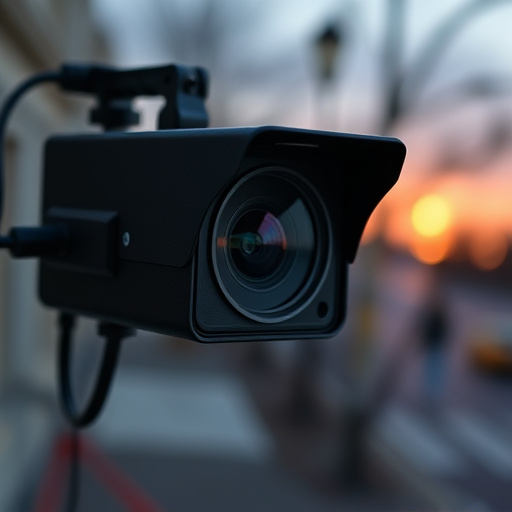
Hidden cameras that record audio have transformed content creation and surveillance, offering filmmakers and professionals powerful tools for capturing visual and auditory elements discreetly. These micro cameras, with high-definition video and optical zoom, enable documentation of wildlife, vlogs, and clandestine activities. Creative strategies include disguising them as everyday objects or natural settings, such as plants, books, and mirrors. In surveillance, they enhance investigative power by capturing both visual and audio evidence without raising suspicion. However, their use raises ethical concerns regarding privacy and the need to adhere to legal guidelines on wiretapping and data protection. Strategic placement, camouflage, lighting, and soundproofing ensure optimal performance while respecting individual privacy.
Uncover the art of creative camera concealment with our comprehensive guide. Explore the world of micro cameras and their remarkable capabilities, from capturing high-quality footage to discreetly recording audio. Learn where to strategically place your hidden cameras for maximum effect, ensuring ethical and legal considerations. Discover best practices for setting up discreet surveillance, transforming ordinary spaces into covert observation posts without compromising privacy.
- Understanding Micro Cameras and Their Capabilities
- Creative Placement: Where to Hide Your Hidden Cameras
- Techniques for Unobtrusive Audio Recording
- Ethical Considerations and Legal Implications
- Best Practices for Setting Up Discreet Surveillance
Understanding Micro Cameras and Their Capabilities
Micro cameras, often referred to as hidden cameras, have evolved beyond their basic function of surveillance to become versatile tools for creative content creation. These compact devices pack impressive capabilities, including high-definition video recording and, more notably, audio capture. The ability to discreetly record both visual and auditory elements opens up a world of possibilities for filmmakers, documentarians, and even law enforcement professionals. In 2026, micro cameras have evolved even further, offering improved image quality, advanced AI-driven audio processing, and enhanced camouflage options. However, the ethical landscape surrounding their use has also become more complex with evolving privacy laws and increased public awareness. The integration of AI ensures more sophisticated background noise reduction during audio recording, making the cameras even harder to detect. Nevertheless, the onus remains on users to respect individual privacy and adhere to strict ethical guidelines, fostering a responsible and lawful application of these powerful tools. Learn more about mastering hidden cameras with discretion and legality in focus
With the advent of advanced micro cameras that can fit into minuscule spaces, capturing hidden moments and intimate settings is now feasible. Moreover, these tiny recorders often boast impressive optical zoom capabilities, ensuring clear and detailed footage from a distance. The combination of high-quality video and audio makes them ideal for a range of applications, from documenting wildlife to creating immersive vlogs or even investigating clandestine activities, thanks to their ability to capture unseen and unheard evidence via hidden cameras that record audio.
Creative Placement: Where to Hide Your Hidden Cameras
When it comes to creative placement, the key is to think like a stealthy filmmaker. Hidden cameras that record audio blend into their surroundings effortlessly when positioned thoughtfully. Consider everyday objects that are naturally overlooked—a potted plant on a desk, a book on a shelf, or even a decorative box can serve as perfect disguises. Think about areas where conversations naturally occur—kitchens, living rooms, or offices—and utilize hidden speakers to capture audio without raising suspicion.
Don't underestimate the power of subtle lighting fixtures either. A cleverly placed lamp or nightlight can double as a camera housing, while a mirror strategically positioned can act as a reflection point for a hidden lens. The goal is to create an environment where your hidden cameras feel organic and unexpected, capturing authentic moments without ever being noticed.
Techniques for Unobtrusive Audio Recording
In the realm of covert surveillance, capturing audio evidence alongside visual footage can significantly enhance investigative capabilities. One of the creative solutions to achieve this discreetly involves integrating hidden cameras with advanced audio recording capabilities. These micro cameras are meticulously designed to blend into their surroundings, offering a range of options for unobtrusive audio collection. From miniature devices disguised as everyday items like pens or buttons to more sophisticated models concealed in clothing or accessories, these hidden cameras that record audio provide an array of creative opportunities for covert recordings.
The techniques employed often include utilizing high-quality microphones integrated into the camera assembly, ensuring clear and crisp audio capture. Some models utilize directional microphones that focus on specific sound sources, minimizing background noise. Additionally, advancements in wireless technology allow for seamless audio transmission from the hidden camera to a recording device or cloud storage, making it easier to access and review collected audio evidence without raising suspicion. This level of discretion and technological sophistication is transforming how investigations are conducted, ensuring critical details aren't missed in the pursuit of truth.
Ethical Considerations and Legal Implications
When employing micro cameras for concealment and creative purposes, it's imperative to navigate a complex landscape of ethical considerations and legal implications. While these tiny devices offer unprecedented opportunities for content creation, surveillance, and security, their use raises significant privacy concerns. Hidden cameras that record audio, in particular, can capture intimate conversations and sensitive information without consent, leading to potential violations of civil liberties.
Creative professionals must familiarize themselves with relevant laws and regulations governing the use of hidden cameras, such as those pertaining to wiretapping, video surveillance, and data protection. Respecting individual privacy, obtaining informed consent, and adhering to legal boundaries are essential practices to maintain ethical standards and avoid legal repercussions.
Best Practices for Setting Up Discreet Surveillance
When setting up discreet surveillance with hidden cameras that record audio, there are several best practices to consider for optimal results. First, choose locations strategically. Discreetly place your cameras in areas that offer clear views of the target zone but remain largely unseen by individuals or through typical line-of-sight. This could involve positioning them behind objects like shelves, plants, or curtains, or mounting them on ceilings or walls where they blend into the environment.
Additionally, ensure proper lighting to avoid shadows that might obscure your view. Use infrared lighting for night vision and consider soundproofing the area around the camera if audio recording is a priority. Regularly test the setup to verify audio and video quality, ensuring clear recordings. Maintain a steady power supply and keep the cameras clean and dust-free for optimal performance. Always respect privacy laws and obtain necessary permissions when setting up surveillance in public or private spaces.
This guide has explored the art of creative camera concealment, highlighting the versatility of micro cameras and their unique applications. From understanding the technology behind these tiny devices to mastering ethical practices, it's clear that hidden cameras can be employed as powerful tools for surveillance while navigating legal boundaries. By strategically placing these concealed recorders, you can capture unseen moments and gather valuable insights. Remember, with great power comes great responsibility; always prioritize ethical use and respect privacy to ensure your hidden cameras that record audio remain a beneficial resource.