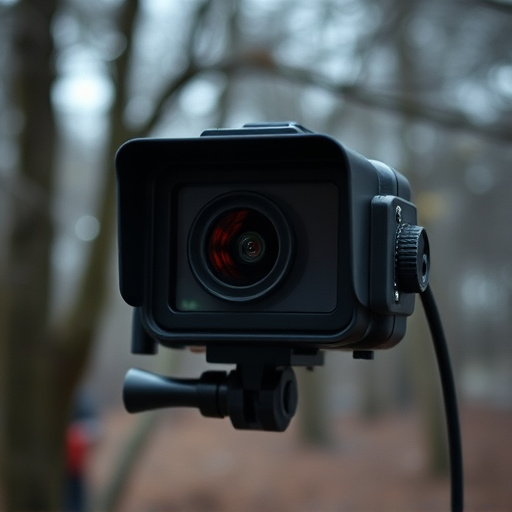
Installing a covert camera network with hidden cameras that record audio requires careful consideration of legal and ethical boundaries, particularly regarding privacy laws. Organizations must conduct thorough research, comply with local regulations, and adhere to ethical guidelines to avoid legal consequences and maintain a positive reputation. Discretion is paramount in designing the network, using hidden locations and microphones for optimal coverage without raising suspicion. Wireless connectivity options facilitate easy setup, while robust security measures, including encryption and secure login systems, protect collected data from unauthorized access. Regular monitoring and updates are essential to maintaining system integrity.
"Uncover the intricacies of installing a covert camera network with our comprehensive guide. In an era where hidden cameras that record audio are becoming more prevalent, understanding legal and ethical boundaries is paramount. We navigate these waters by offering best practices for designing discreet camera networks, ensuring optimal privacy protection. From architecture design to robust security measures, this article equips you with the knowledge needed to implement such systems responsibly."
- Understanding Legal and Ethical Considerations for Audio Recording
- Designing a Discreet Camera Network Architecture
- Implementing Security Measures to Protect Data and Privacy
Understanding Legal and Ethical Considerations for Audio Recording
When it comes to installing a covert camera network, particularly with hidden cameras that record audio, understanding legal and ethical considerations is paramount. In many jurisdictions, audio recording without explicit consent is illegal, especially in private spaces. This is because of privacy laws designed to protect individuals from unwarranted surveillance and the potential misuse of their personal information. For instance, some regions require clear notification that audio is being recorded, while others mandate obtaining consent from all parties involved.
Before setting up such a system, it's crucial to thoroughly research local laws and gain any necessary permissions. Organizations often face significant legal repercussions for violating privacy rights, including hefty fines and damage to their reputation. Ethical guidelines should also guide the installation process, emphasizing the minimal intrusion on privacy while ensuring the network effectively serves its intended purpose.
Designing a Discreet Camera Network Architecture
When designing a covert camera network, discretion is key. The layout should prioritize minimal visual impact and avoid drawing attention to itself. This means strategically placing cameras in hidden locations that offer optimal coverage while remaining unseen. For instance, using ceiling-mounted or wall-mounted devices disguised as common household items like light fixtures, power outlets, or even art can be effective.
Additionally, incorporating hidden cameras that record audio enhances surveillance capabilities. These microphones should be seamlessly integrated into the network to capture clear and detailed sound, ensuring comprehensive evidence collection without raising suspicion. Wireless connectivity options enable easy setup and flexibility in camera positioning, allowing for a more intricate and effective monitoring system.
Implementing Security Measures to Protect Data and Privacy
Implementing robust security measures is paramount when setting up a covert camera network, especially considering the sensitive nature of the data collected by hidden cameras that record audio. To safeguard privacy and protect against unauthorized access, encryption techniques should be employed for all video and audio transmissions. This ensures that even if the network is compromised, the content remains unreadable without the decryption key. Additionally, setting up a secure login system with robust passwords, two-factor authentication, and regular updates to prevent security breaches adds an extra layer of protection.
Regular monitoring and maintenance are essential to identifying any potential vulnerabilities in the system. This includes keeping all software and firmware up-to-date, implementing access controls, and establishing clear guidelines for authorized users. By combining these measures, you can create a secure environment that respects privacy while allowing for the effective use of hidden cameras for surveillance purposes.
When deploying a covert camera network with hidden cameras that record audio, it's imperative to balance technological advancement with legal and ethical considerations. By designing a discreet architecture, implementing robust security measures, and adhering to privacy laws, you can ensure your system serves its purpose without infringing on personal rights. This multi-faceted approach is key to harnessing the benefits of advanced surveillance technology while maintaining societal trust.