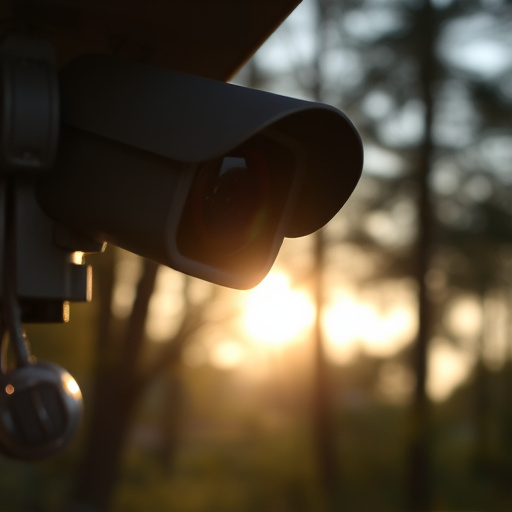
Hidden cameras that record audio (audio bugs) are increasingly sophisticated tools for surveillance, often found in unexpected locations like ceiling lights or electrical outlets. Detection requires specialized techniques and counter-surveillance tools due to their microscopic size and clarity of recording. Legal considerations are paramount when conducting sweeps on residential properties; obtain explicit consent from property owners and adhere to local laws regarding audio recording to protect privacy rights.
"Discover the comprehensive guide to navigating the intricate world of residential property surveillance. This article equips you with the knowledge to identify potential hideouts for hidden cameras, understand various types of audio-recording surveillance devices, and learn critical legal considerations during a device sweep. By understanding these aspects, including the detection methods for advanced technologies like hidden cameras that record audio, you can ensure your home remains secure while respecting privacy."
- Identifying Potential Hideouts for Hidden Cameras
- Types of Audio-Recording Surveillance Devices and Their Detection Methods
- Legal Considerations and Privacy Measures When Conducting a Device Sweep
Identifying Potential Hideouts for Hidden Cameras
When conducting a surveillance device sweep, it's crucial to be aware that hidden cameras can be strategically placed in seemingly innocuous locations. These hidden cameras that record audio are designed to evade detection, making them a persistent threat to privacy. Look beyond obvious places like dark corners and cupboards. Consider areas with access to power sources and lines of sight, such as: inside ceiling lights or fixtures, behind mirrors, under furniture, within electrical outlets, and inside door frames. Pay close attention to rooms with frequent traffic, outdoor areas accessible from the property, and any spots offering a view into private spaces.
Additionally, be mindful of modern technology trends. Smart home devices like thermostats, speakers, and security cameras often double as hidden recording devices. Check for any unusual wiring or markings on these items that might suggest their purpose goes beyond standard functionality. A thorough inspection should also include a listen for faint beeps or hums emanating from walls or ceilings, signs that an audio-recording device could be actively operating nearby.
Types of Audio-Recording Surveillance Devices and Their Detection Methods
Hidden cameras that record audio have evolved into sophisticated tools used for surveillance, often raising concerns about privacy. These devices come in various forms, each designed to capture sound discreetly. One common type is the audio bug, a tiny microphone hidden within everyday objects like smoke detectors, light bulbs, or even paintings, capable of recording conversations with remarkable clarity. Their small size makes them hard to detect without specialized equipment.
Detection methods for such devices involve utilizing specific frequencies or analyzing audio patterns. Experts recommend using sound-dampening materials and employing counter-surveillance tools designed to mask or disrupt hidden camera audio capabilities. It's a cat-and-mouse game, with continuous advancements in both technology and countermeasures, highlighting the need for vigilance and awareness when it comes to protecting privacy at home.
Legal Considerations and Privacy Measures When Conducting a Device Sweep
When conducting a surveillance device sweep on residential properties, it's crucial to navigate legal considerations and privacy measures carefully. In many jurisdictions, illegal use or installation of hidden cameras that record audio can lead to severe legal repercussions, including fines and imprisonment. Before beginning any sweep, ensure you have explicit consent from the property owner, adhering to local laws and regulations related to surveillance technology.
Privacy is a fundamental right, and respect for it is paramount during these operations. Always inform the residents about the impending sweep and the potential presence of recording devices. Use professional, licensed services that prioritize legal and ethical practices, ensuring that all data collected is handled securely and discreetly.
When conducting a comprehensive surveillance device sweep, understanding the diverse types of hidden cameras that record audio is paramount. By identifying potential hideouts and employing effective detection methods, you can ensure a safe and legally compliant process. Remember, knowledge is your best defense against these sophisticated devices, making it crucial to stay informed about the latest technologies and legal considerations in the ever-evolving world of surveillance device sweeps.